

The newly refurbished museum of the North-West University was officially opened on Thursday, 5 November 2026.
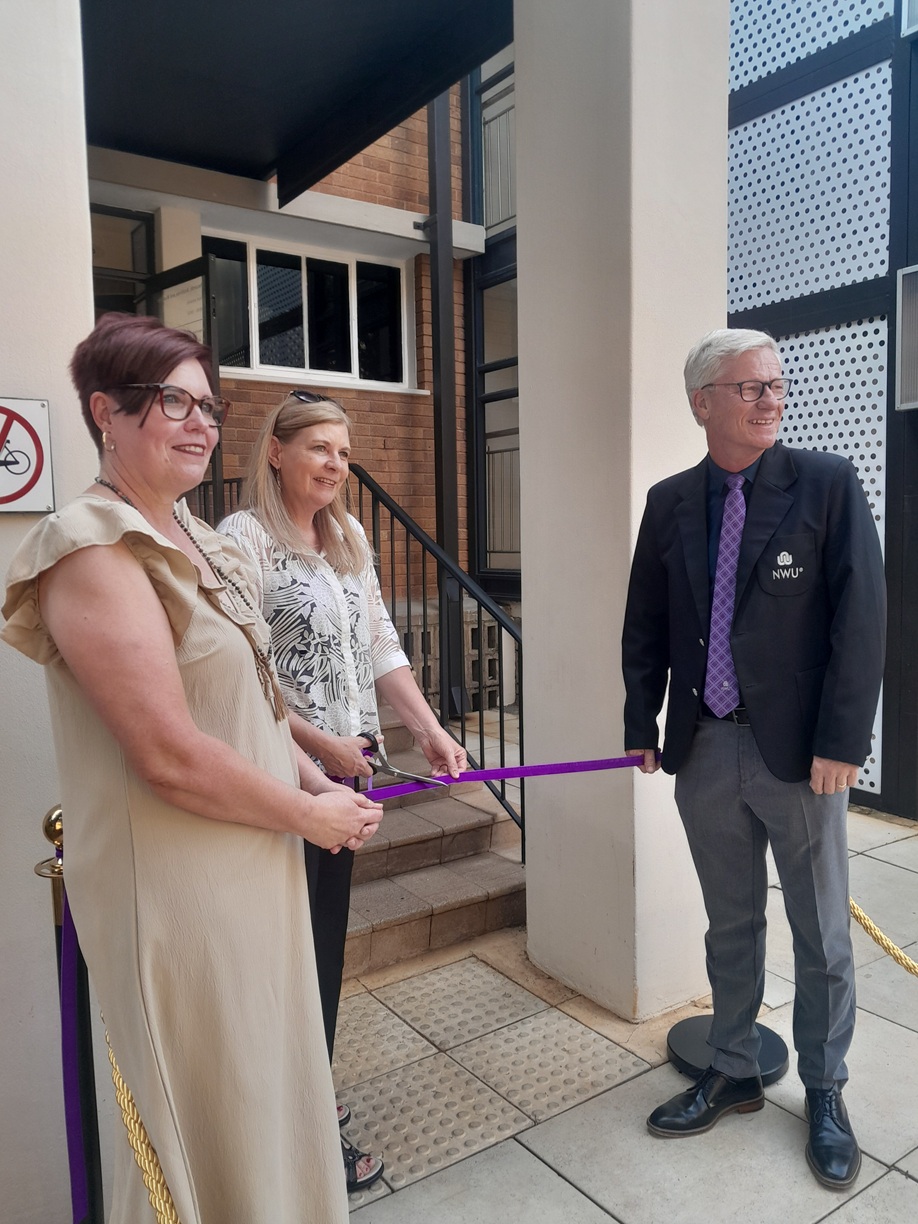
Prof Linda du Plessis, Senior Deputy Vice-Chancellor: Teaching and Learning, cut the ceremonial ribbon to officially open the museum. Also attending was Prof Hennie Goede, Registrar of the NWU. To the left is Mrs Jacoline Jansen van Vuuren, head of Records, Archives and Museum.
History of the NWU Museum
Early in the 1920’s the initiative to create a museum at the PUC was launched by a teacher at the Potchefstroom Gimnasium, Mr JV Coetzee. He began a fundraising effort to buy an ox-wagon that was at the Battle of Bloedrivier on 16 December 1838.
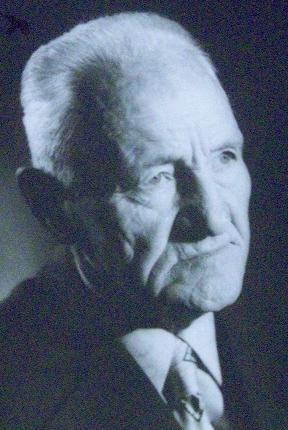
Mr JV Coetzee, known as Boetjie-Jan. He later became the first curator of the Potchefstroom Museum (See my article: https://lenniegouws.co.za/street-names-reflect-history-2/ to learn more about him.) Photo: Potchefstroom Museum
Coetzee organised a tickey collection and at the price of £2/7/6 (roughly R12 today) it was bought. Taking into consideration that 80 tickeys make one pound (£), this amounted to more than 160 tickeys! The wagon and other artifacts were kept in the old mill which stood where the Conservatory is today.
In 1961 it was donated to the new Potchefstroom Museum. The ox-wagon survived almost being chopped up for firewood in the Potchefstroom concentration camp. My article tells the story: https://lenniegouws.co.za/what-happened-in-the-potchefstroom-concentration-camp/
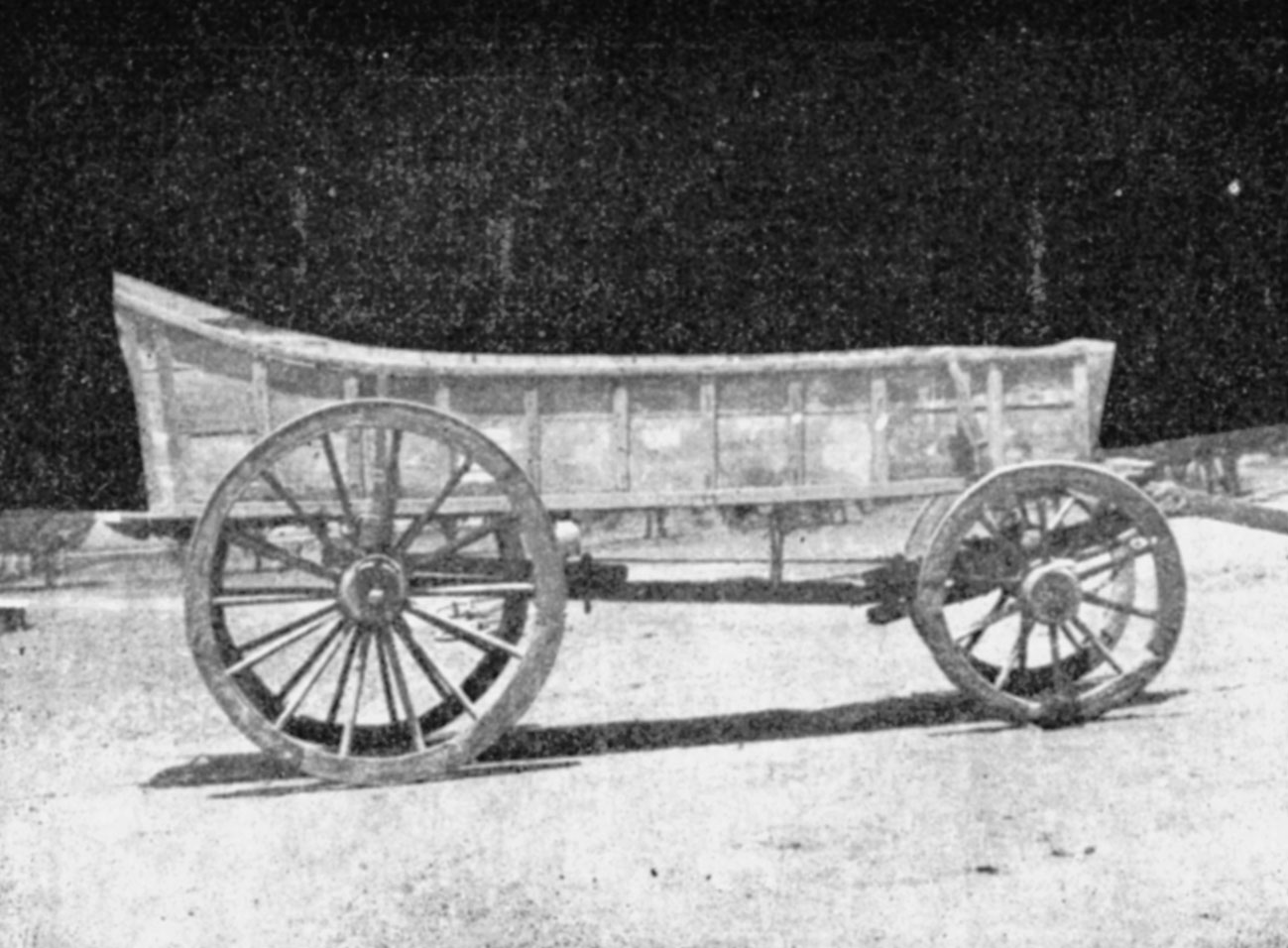
Efforts to save this ox-wagon which took part in the Battle of Bloedrivier in 1838 are regarded as the first steps to create a museum at the University. Photo: NWU Records, Archives and Museum

In this mill, which stood where the Conservatory is today, various artifacts earmarked for a museum were kept. It was demolished before 1960.
PU Kana Museum
By 1977 a museum depicting the history of the university was discussed. A lack of space prevented this from becoming a reality. The city council rezoned a house in Jooste Street as a museum to support this effort. A museum committee was founded headed Prof Hendrik van der Wateren.
On 26 May 1989 the PU-Kana Museum was opened by Prof Carools Reinecke, Rector, and Prof Hennie Bingle, Chancellor.
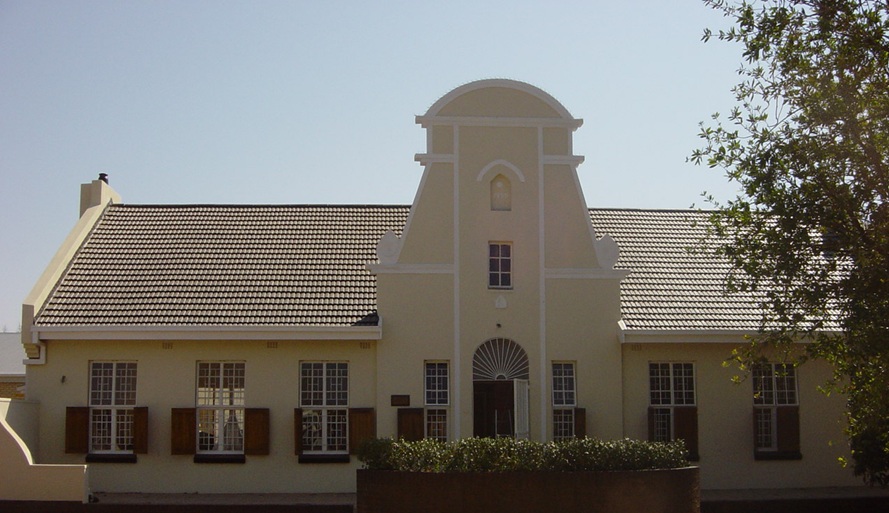
The PU Kana Museum was housed in this building in Jooste Street from 1977 to 2002.
It moved to the the eastern side of the Ferdinand Postma Library in 2002 and exactly 140 years after the decision was taken to found a Theological School at Burgersdorp, on 20 May 2009, the new NWU Museum opened its doors. A large exhibition depicting the history of the Potchefstroom University was put on display. Included was the rifle used by one of the students of the Theological School who passed away in the Anglo-Boer War, the typewriter of Prof Ferdinand Postma, costumes of the Alabama Student Company and historic laboratory equipment.
The Records, Archives and Museum department became an independent entity In July 2017, after previously operating within the Records and Administration department. It is responsible for the classification, retention, disposal, accessibility, security, confidentiality, training, and quality management of records.
The University Archives was established in September 1993, and preserves records and materials related to NWU’s history. Since the university’s formation in 2004, the Archives has managed the Potchefstroom campus’s archival records while also supporting staff at the Mahikeng and Vanderbijlpark campuses. In 2017, all three campuses’ archives were consolidated into one department.
New NWU Museum celebrates history of three campuses
During 2025 and 2026 the museum space was completely revamped to create a new NWU Museum.
The exhibition is spread across two floors. At the entrance, displays showcasing the history of the three campuses and the development of the University’s identity, logo, leadership and anthem are displayed.
Adjacent to the foyer, exhibitions explore the legacy of the institutions that preceded NWU, including the Potchefstroom University for Christian Higher Education, the Potchefstroom Teachers’ College and the University of Bophuthatswana.
Apart from the exhibits, display cabinets have drawers where important moments in the history are described. The history of the heritage buildings on the campus received ample space. The vibrant student life of the PU for CHE is told with stories about Alabama, the student newspaper Wapad, SJGD and Tarentaal, amongst others.
A visual display of the mastheads of Wapad track the history of the newspaper from 1946 when it was founded.
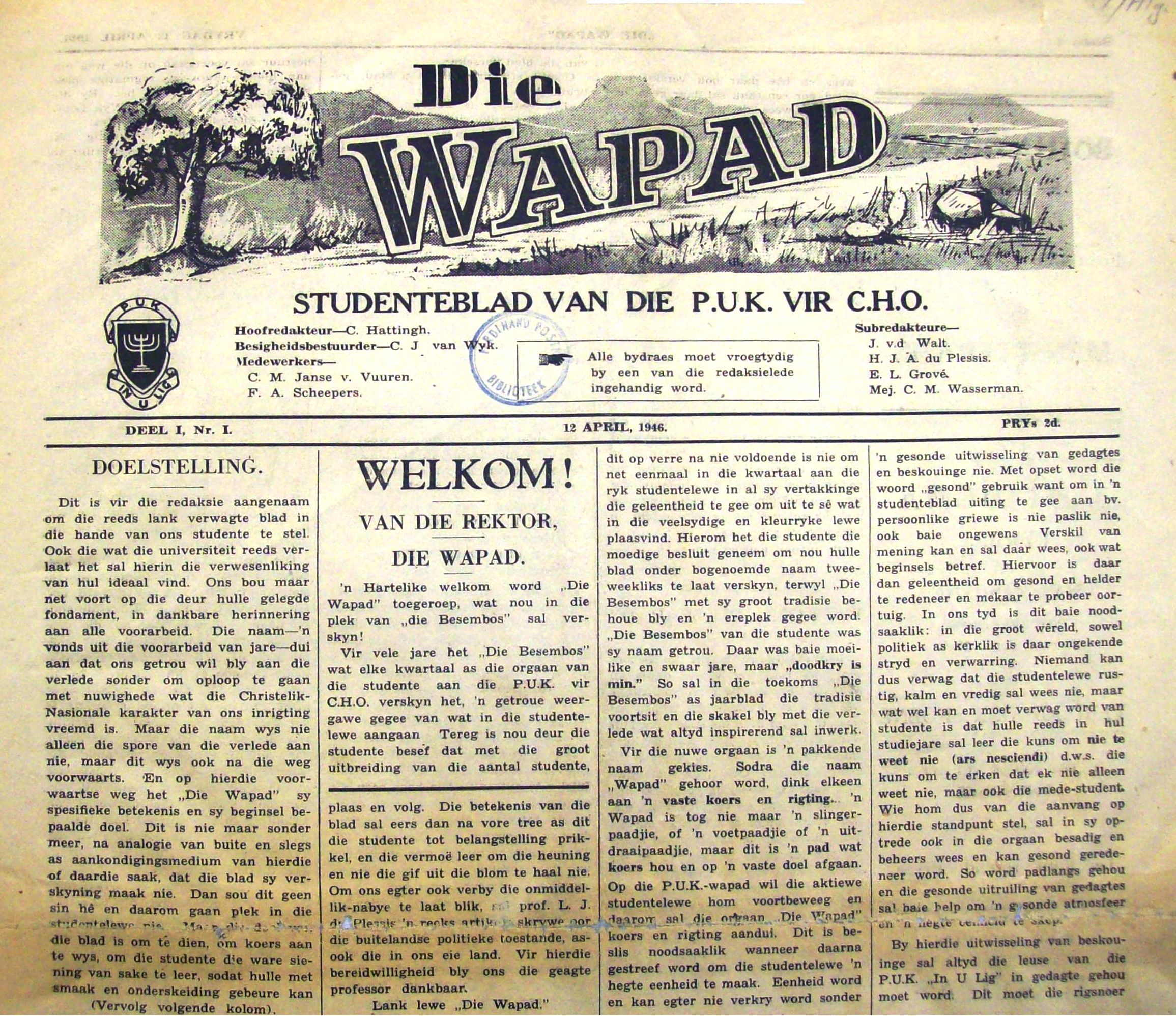
The front page of the first Wapad, published in April 1946
Diana, the original statue of the elephant that graced the Catherine fountain on the former POK campus, also found a place in the museum. This statue was removed after student pranks left a lot of scars. A new “Diana” replaced the old one in 2008.
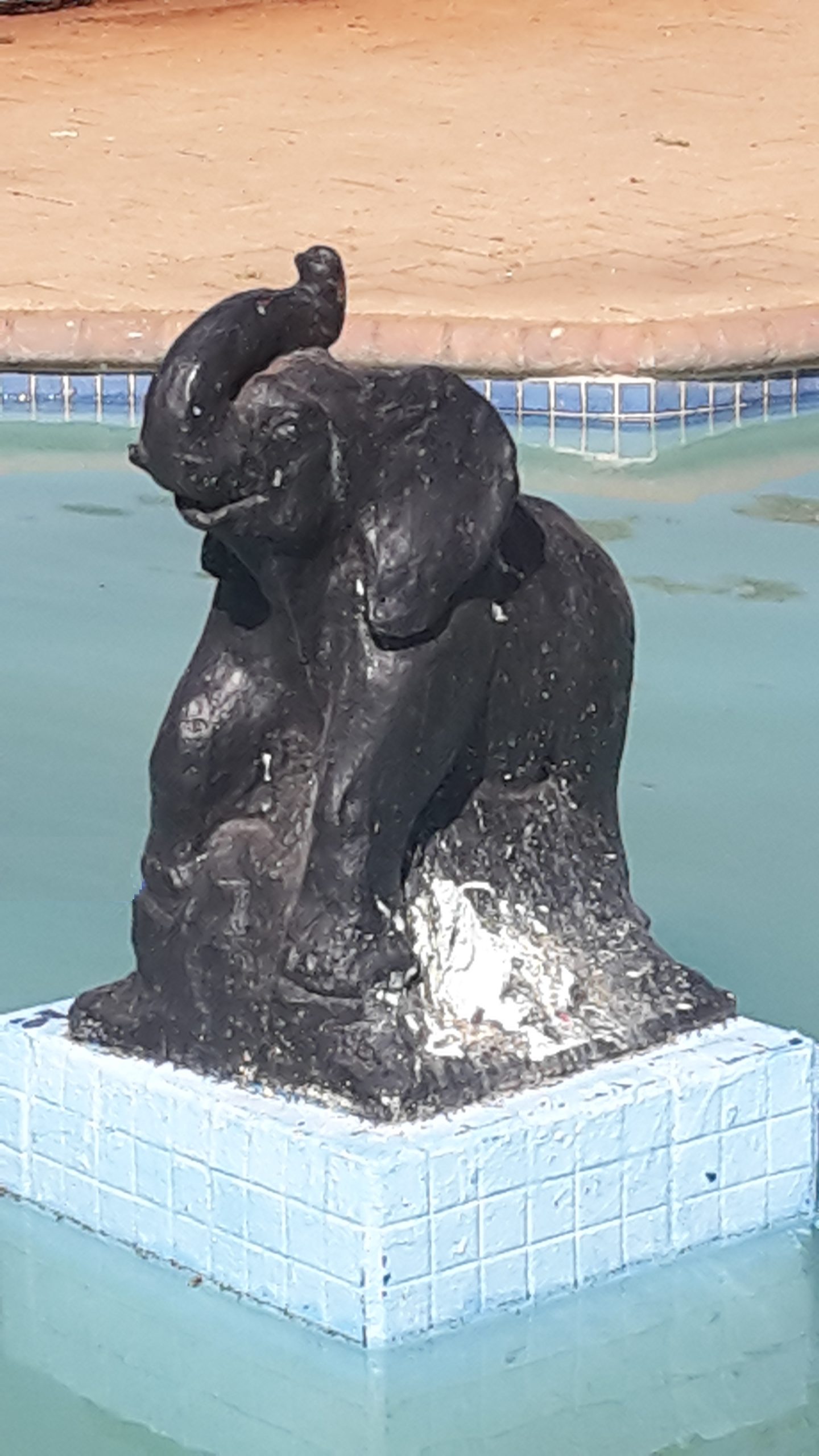
This is the “new Diana that currently resides in the water feature between Ratau and Laureus. The original one is in the new NWU Museum.
The biographies of significant figures who contributed to the history such as Totius, Prof Ferdinand Postma are exhibited.
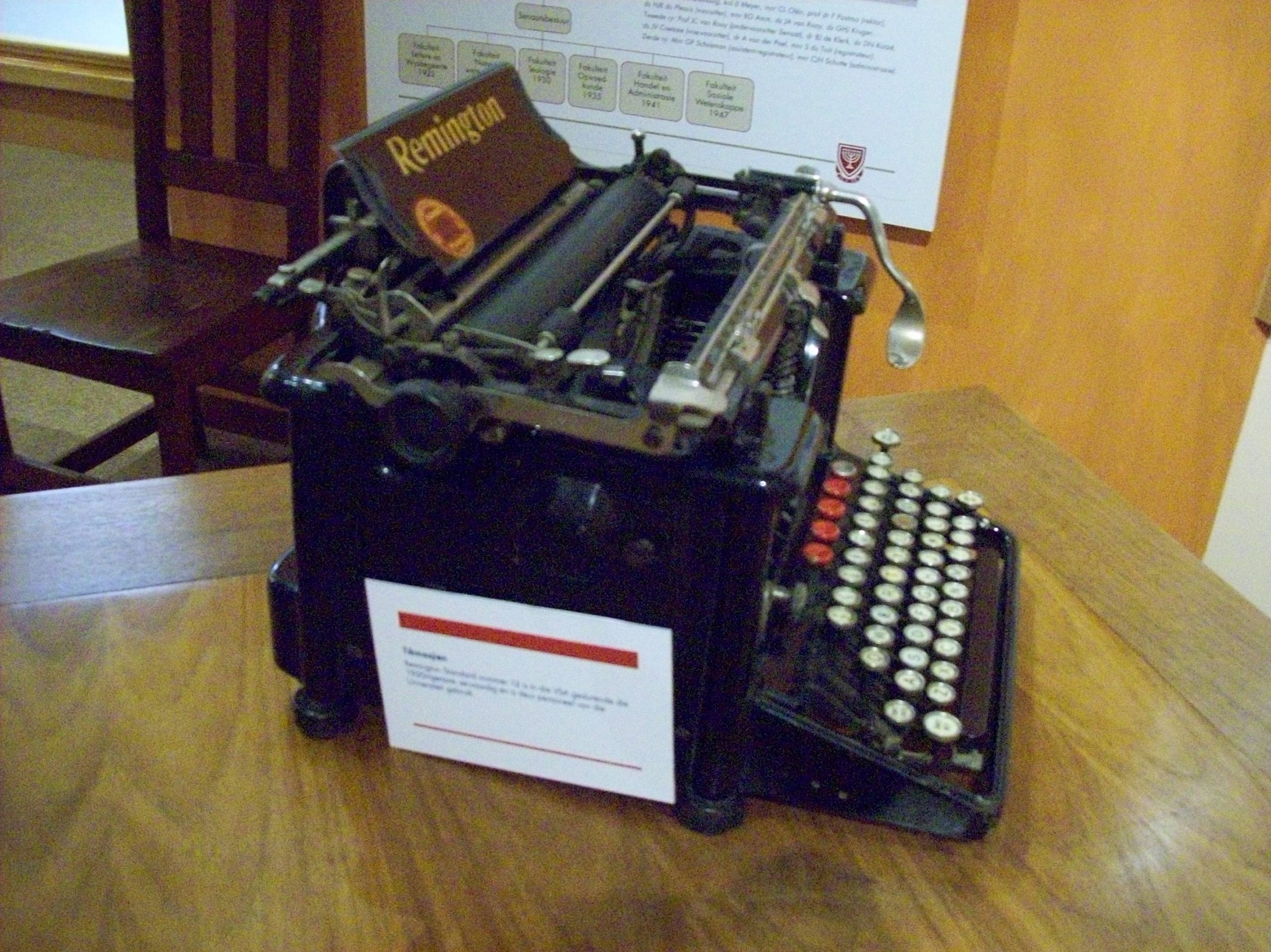
This Remington typewriter, used in the days of the old PU for CHE, was exhibited in the former museum and can also now be seen in the new NWU Museum.
On the second floor, the focus shifts to the story of North-West University since the 2004 merger. The displays highlight the University’s growth and development, significant milestones, achievements and memorable moments over the years. Dedicated exhibitions also showcase the University’s residences through photographs, artefacts and historical information that reflect student life and residence traditions.
Adding an interactive element to the visitor experience, themed display cabinets throughout the museum invite guests to open drawers and discover additional stories and information related to specific aspects of the University’s history. Amongst others, visitors can here explore the achievements of the phenomenal alumni of the NWU.
The completion of the physical museum formed one of the University’s strategic priorities and reflects the NWU’s commitment to preserving its institutional memory. The museum serves not only as a repository of history but also as a place where staff, students, alumni and visitors can connect with the people, events and achievements that have shaped the institution.
The new museum space has an airy, modern and vibrant feel, designed by a Johannesburg company that specializes in the design of office and hotel spaces.
The NWU Museum will now focus to expand access to its heritage through digital and virtual initiatives, enabling broader audiences to engage with NWU’s history and ensuring that these stories remain accessible for generations to come.
The NWU Museum will be open on Fridays from 10:00 to 15:00. Visitors can also view the museum by appointment. Kindly phone Mrs. Jacoline Jansen van Vuuren at 018 299 4806 to make an appointment.
